Advancing Whole Health Through
Osteopathic Education
Enhance your skills in osteopathic medicine.

Our Mission
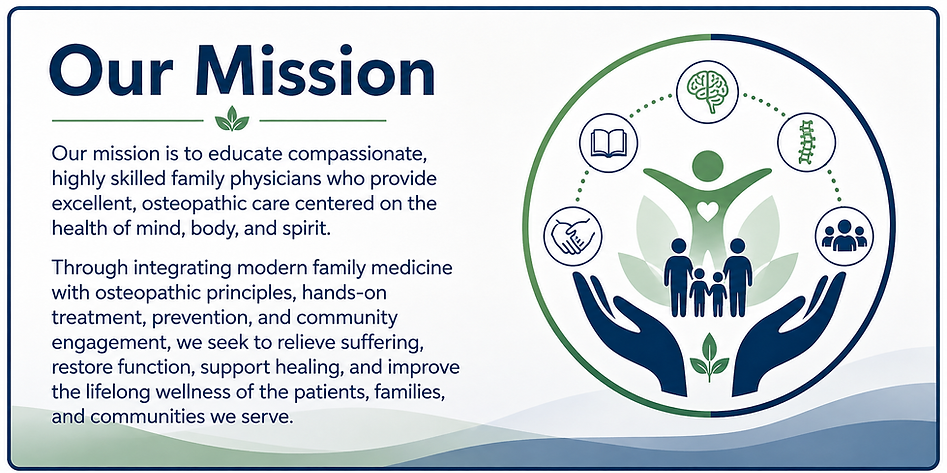
Osteopathic Whole Health offers a comprehensive residency training program with hands-on patient care, using videos and articles to support learning. Our mission is to enhance community engagement while fostering the core principles of osteopathic medicine.

Dr Sam Detwiler, DO
Diplomate AOBFP
Core Faculty
Centra Lynchburg Family Medicine Residency
Director of Osteopathic Education
434-200-6155


LFMR OMT Clinic
Our
Story
Get to Know Us
Classic Osteopathic Care
Osteopathic Whole Health is grounded in the clinical and educational mission of Lynchburg Family Medicine Residency (LFMR), where whole-person, function-focused care is integrated into family medicine training and patient care. Our approach combines modern medical practice with osteopathic principles, hands-on evaluation, and osteopathic manipulative treatment to support healing, restore function, and improve quality of life.
At Osteopathic Whole Health and within LFMR, care is based on the understanding that the body functions as an interconnected whole, that structure and function are closely related, and that the body has inherent capacity for self-regulation and healing when barriers to health are addressed.
Our goals include:
-
Relief of pain and other symptoms
-
Improved mobility and physiologic function
-
Reduction of stress and body strain
-
Support of the body’s natural healing mechanisms
-
Prevention of recurrence through comprehensive whole-person care
LFMR has developed a strong osteopathic training environment in which osteopathic principles and manipulative treatment are actively incorporated into residency education and clinical care.
Osteopathic Manipulation
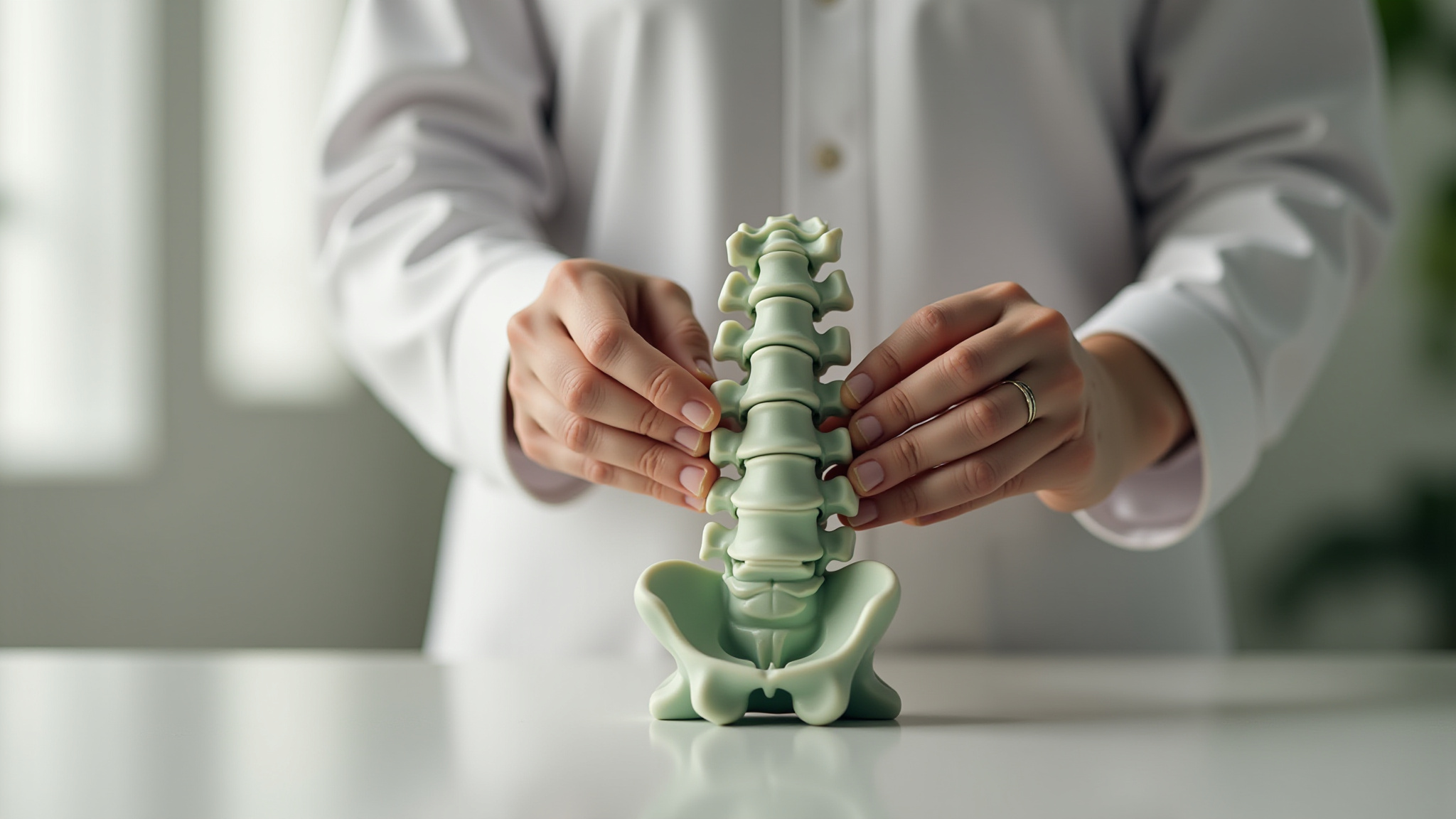
At Osteopathic Whole Health and Centra Lynchburg Family Medicine Residency, osteopathic manipulative treatment is used to evaluate and address somatic dysfunction, impaired mechanics, restricted motion, autonomic imbalance, respiratory compromise, and lymphatic congestion. Treatment is individualized and may include a broad range of osteopathic modalities used in clinical practice and residency training at LFMR.
These modalities include:
-
Soft tissue techniques
-
Myofascial release
-
Muscle energy
-
Counterstrain
-
Facilitated positional release
-
Still technique
-
Balanced ligamentous tension
-
Articulatory techniques
-
High-velocity low-amplitude (HVLA)
-
Cranial osteopathic techniques
-
Lymphatic and splenic pump techniques
-
Rib raising
-
Suboccipital release
-
Thoracic inlet release
-
Diaphragm treatment
-
Sacral rocking
-
Pelvic diaphragm release
-
Mesenteric lift
-
Colonic stimulation
-
Venous sinus and other selected osteopathic functional techniques
These hands-on methods are selected based on the patient’s condition, structural findings, tolerance, and clinical goals. The aim is to improve motion, reduce pain, optimize neurologic and circulatory function, improve lymphatic flow, and support the body’s ability to heal.
PRINCIPLES OF OSTEOPATHIC MEDICINE
I. The body is an integral unit.
The body functions as a whole. Disturbance in one area may influence health elsewhere. For that reason, osteopathic care at Osteopathic Whole Health and Centra Lynchburg Family Medicine Residency considers the entire person rather than a single complaint in isolation.
II. The body is capable of self-regulation, self-healing, and health maintenance.
Osteopathic medicine recognizes the body’s natural capacity for repair and adaptation. Treatment is designed to support these processes by identifying and reducing impediments to health.
III. The circulatory and nervous systems are essential to health.
Adequate blood flow, lymphatic drainage, and neurologic balance are central to physiologic function. Osteopathic evaluation and treatment aim to reduce restriction that may impair these systems.
IV. The musculoskeletal system plays a central role in health and disease.
The musculoskeletal system affects posture, movement, circulation, respiration, autonomic balance, and pain. Dysfunction in muscles, fascia, joints, and related structures may contribute to illness and impaired recovery.
V. Rational treatment is based on these principles.
Osteopathic medicine emphasizes careful diagnosis of structural and functional relationships and thoughtful treatment of somatic dysfunction as part of comprehensive medical care.

THE HISTORY OF OSTEOPATHIC MEDICINE
In the United States, there are two fully licensed physician degrees: MD and DO. Both diagnose disease, prescribe medications, perform procedures, and practice across the full range of medical specialties. Historically, formal osteopathic principles and manipulative treatment were core elements of DO education. At Centra Lynchburg Family Medicine Residency, that osteopathic educational framework is also extended to MD residents, who are trained alongside this model of whole-person care and osteopathic manipulative treatment.
Osteopathic medicine was founded by Andrew Taylor Still, who became dissatisfied with many of the ineffective medical practices of his era and developed a philosophy emphasizing the relationship of structure and function, the body’s capacity for self-healing, and rational, patient-centered treatment.
That foundation continues today through osteopathic physicians and through training environments such as Centra Lynchburg Family Medicine Residency, where osteopathic principles, OMT, and complementary office-based musculoskeletal treatment modalities remain active components of education, clinical practice, and whole-person family medicine care.
Latest Posts
The Month's Events


Our Mission
Osteopathic Whole Health offers a comprehensive residency training program with hands-on patient care, using videos and articles to support learning. Our mission is to enhance community engagement while fostering the core principles of osteopathic medicine.